Modern Background Template Design for Local Business Branding
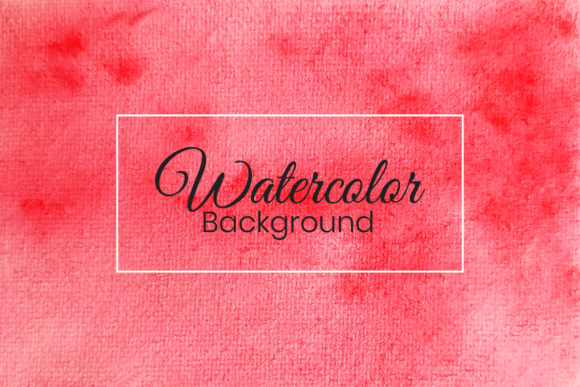
As a seasoned brand designer, I recently came across the Background Template Design Vector, and it immediately caught my attention. This graphic design asset isn’t just another stock background—it’s a versatile tool that can elevate a local business’s branding efforts when used thoughtfully. Whether you’re designing product labels for a handmade soap line or crafting promotional flyers for your boutique store, this modern background brings a clean aesthetic with a hint of sophistication.
First Impressions: A Fresh Canvas for Creative Expression
The Background Template Design Vector feels contemporary and professional at first glance. Its structure suggests a brand personality that is both approachable and stylish—perfect for small businesses aiming to stand out in competitive markets. The use of RGB color gives it a digital-first edge, making it ideal for online marketing visuals, social media content, and website banners. However, its high-resolution 300 dpi format ensures it can also be printed without compromising quality, which is essential for physical branding materials like packaging, hang tags, and posters.
This design doesn’t scream “luxury,” but rather offers a polished yet warm backdrop that works well for brands in the lifestyle, food, wellness, and creative product spaces. It has an organic flow that makes it suitable for businesses like a local bakery, a florist shop, or even a children’s product brand looking to create a cohesive visual language.
Real-World Applications in Small Business Branding
In real-world scenarios, this graphic design asset shines in several areas:
- Product Labels: For a coffee shop or skincare brand, the background can serve as a subtle accent behind product names or key features. It helps establish a visual hierarchy by guiding the viewer’s eye toward the most important elements.
- Packaging Design: When applied to box wraps or jar labels, it adds a layer of professionalism while keeping the focus on the product itself. The editable nature of the vector file allows for seamless integration with brand logos and typography.
- Social Media Graphics: The RGB compatibility means it looks vibrant on screens, perfect for Instagram posts, Facebook ads, or Pinterest pins. A florist using this background could highlight seasonal bouquets with a consistent look across all platforms.
- Promotional Banners: Whether it's a pop-up ad for a new candle collection or a flyer for a boutique launch, the background template supports bold imagery and clear messaging.
- Printable Inserts: Handmade sellers can include this design in thank-you cards or gift notes to reinforce their brand identity with customers.
What stands out is how easily it adapts to different needs. You can scale it up for a large poster or shrink it down for a label without losing clarity. That kind of flexibility is rare among design assets, especially those from a creative marketplace.
Enhancing Brand Presentation with Visual Consistency
Using the Background Template Design Vector consistently across touchpoints can significantly improve how your brand is perceived. Here are some key benefits I’ve observed in past projects:
- Stronger First Impression: A clean, modern background sets a positive tone right from the start. Customers notice the effort and attention to detail, which builds trust.
- Better Product Recognition: When a brand uses a unique background style repeatedly, it becomes part of the visual identity. Over time, this helps customers recognize your products quickly on shelves or online listings.
- Clearer Visual Hierarchy: The design supports layering text and graphics effectively. As long as the contrast between the background and foreground elements is balanced, important information remains prominent.
- More Consistent Brand Identity: With all main elements being editable, designers can tweak the background to match the brand’s color palette, ensuring a unified look across all materials.
- Improved Customer Trust: High-quality, customizable design assets contribute to a more professional appearance. This is especially important for handmade or artisanal businesses where authenticity matters.
- Professional Packaging: Even modest packaging can feel premium when paired with a thoughtful background. Think about how a simple candle jar gains elegance with the right graphic design support.
- Better Shelf Appeal: In retail environments, visual consistency helps products stand out. This background can become a signature element that ties your entire range together.
- Stronger Emotional Connection: Depending on the design’s colors and patterns, it can evoke specific feelings—like calmness in a skincare product layout or excitement in a holiday campaign.
- Polished Marketing Visuals: From Canva templates to web banners, this graphic design asset maintains a refined appearance, helping your marketing materials look intentional and cohesive.
- Hero Graphics: Use it as a backdrop for hero images on websites or landing pages to add depth without overwhelming the message.
- Decorative Brand Elements: Incorporate it into subtle textures or accents within packaging or logo design to maintain a modern yet personal touch.
- Promotional Banners: Ideal for highlighting seasonal campaigns, limited-time offers, or special events with a cohesive visual theme.
- Product Mockups: Test how the background interacts with mockups of your items before finalizing designs for print or digital display.
- Thank-You Cards: Add warmth and creativity to customer appreciation materials, reinforcing your brand’s personality through every detail.
- Seasonal Campaigns: With minor tweaks to color or pattern intensity, it can adapt to holidays, festivals, or seasonal themes for a fresh look without redesigning everything from scratch.
- Boutique Store Visuals: Create a welcoming and curated atmosphere in-store signage or window displays with this versatile background.
- Social Media Campaigns: Boost engagement with visually appealing posts that align with your brand’s overall identity.
- Formal Corporate Branding: If your business requires a more serious or minimalist tone, this design might come off as too playful or decorative.
- Very Small Labels: Because of the intricate details in many background templates, using them on tiny product labels could make text hard to read or overwhelm the design.
- Crowded Packaging: Avoid placing this background on already busy packaging layouts. It could reduce readability and confuse consumers.
- Ingredient-Heavy Layouts: Skincare or food brands with long ingredient lists should be cautious—letting the background dominate can push critical information to the back.
- Legal Information Areas: Never use it in regions where legal disclaimers or certifications must be clearly visible. Clarity takes precedence over aesthetics here.
- Low-Contrast Backgrounds: If the default colors don’t provide enough contrast against your text or logo, it’s worth adjusting the design to ensure legibility.
- Luxury Minimalist Brands: Some high-end brands thrive on simplicity. This background might clash with a minimalist or luxury branding strategy if not adapted carefully.
- Text Competition: If the design elements are too busy or colorful, they might compete with your brand fonts—especially when using serif or script styles.
- Test It on Real Packaging Mockups: Always visualize the background on actual product sizes and materials to see how it translates in the real world.
- Check Black and White Usage: Many print jobs require grayscale options. Make sure the background still conveys the intended mood when stripped of color.
- Preview on Small Labels: Zoom in and test how the design holds up at smaller scales—especially for product labels or tags with minimal space.
- Test with Your Brand Colors: Import your brand’s color scheme into the Ai/EPS files to see how the background reacts. Sometimes a bright background can mute your logo or vice versa.
- Compare with Competitor Packaging: Ensure the design helps your brand stand out instead of blending in with others in your niche.
- Check Print Quality: Use the 300 dpi setting to confirm sharpness and clarity when printed, particularly for physical product packaging or business cards.
- Review PNG Transparency: If you're exporting for digital use, check the PNG version for transparency to avoid unwanted white borders or overlaps.
- Inspect SVG or Vector Editability: Since the asset includes vector formats, take advantage of the scalability and editability for precise customization.
- Test Font Compatibility: Try pairing the background with various font styles—serif, sans serif, script, handwritten, and display—to find the best balance between decoration and readability.
- Confirm Commercial Licensing: Always double-check the commercial license terms before using any design asset for client work, branding projects, or physical product sales.
Where This Background Works Best
Here are the top use cases for the Background Template Design Vector based on my experience:
Use with Caution: When Less Is More
While this background is incredibly useful, there are situations where it may not be the best fit. As a brand designer, I always recommend testing the waters before full implementation:
Practical Designer Tips for Implementation
Before integrating the Background Template Design Vector into your branding toolkit, here are a few practical steps I follow to ensure it works well in context:
Final Thoughts for Creative Entrepreneurs
The Background Template Design Vector is a solid addition to any small business owner’s graphic design arsenal. It’s particularly effective for handmade businesses, food labels, and seasonal campaigns where a modern yet warm aesthetic is desired. The fact that it’s fully editable in Ai and EPS formats is a huge plus for anyone needing control over their brand identity.
When evaluating design assets, I always prioritize usability and adaptability. This one scores high on both fronts, offering the kind of professional branding support that local businesses need to make a lasting impression. Just remember to apply it strategically and with awareness of your brand’s voice and your audience’s expectations.