Boho Dream Catcher with Wild Cotton Review: A Design for the Dreamy and Delicate
If you're like me, always on the lookout for that perfect machine embroidery design to elevate your handmade products or digital offerings, then Boho Dream Catcher with Wild Cotton might just catch your eye. As an experienced designer and reviewer of embroidery graphics, I’ve tested countless designs across various projects—from custom apparel to personalized gifts—and this one stands out for its soft, earthy charm.
First Impressions and Visual Personality
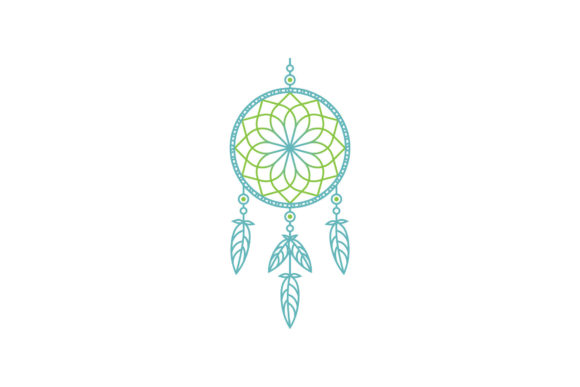
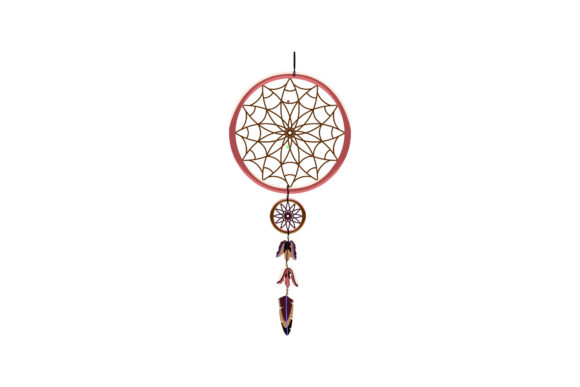
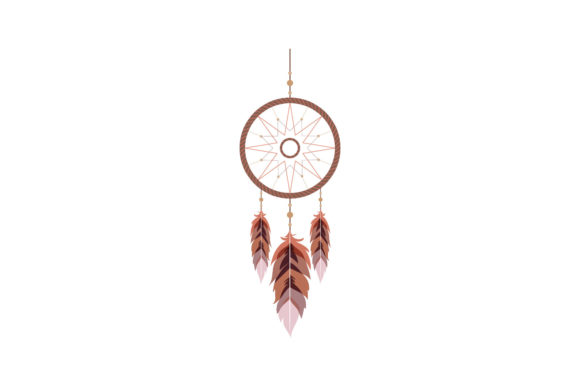
The first thing that hits you when you open the digital embroidery file is the organic flow of the dream catcher. The wild cotton adds a sense of movement and natural texture, while the overall composition feels balanced and intentional. It’s not overly intricate, but it carries enough detail to be engaging without overwhelming the viewer.
This design has a clear visual personality—it’s bohemian, free-spirited, and artisanal. The layout suggests it works best in larger formats where the delicate elements can breathe. The canvas size provided (1920 px X 1280 px) gives good flexibility for mockups and print-ready use, which is great for craft business owners or anyone planning to create a printable mockup.
Real-World Embroidery Use Cases
I recently used Boho Dream Catcher with Wild Cotton as part of a custom sweatshirt embroidery project for a boutique client. They wanted something whimsical yet elegant for their fall collection. After stitching, the result was stunning. The dream catcher looked like it belonged on the fabric, especially on a soft grey fleece—a common choice for cozy sweaters.
Here are some of the real-life scenarios where this design shines:
- Tote bags: Its gentle lines and flowing shapes look beautiful on large, flat surfaces. Ideal for a boho-themed tote that doubles as a gift bag or promotional item.
- Baby clothes: While not overtly cute, the subtle nature of the design makes it a great fit for a more modern, artistic baby embroidery piece.
- Nursery decor: When stitched onto muslin or linen, it becomes a lovely wall hanging or pillow cover. The cotton element adds a touch of softness that’s perfect for a serene space.
- Holiday gifts: Imagine a hand-stitched dream catcher on a throw blanket or kitchen towel. It brings a personal, thoughtful feel that customers love.
- Etsy listings: This design could easily become a signature graphic for an Etsy seller focusing on handmade and bohemian aesthetics. It adds value and sets a tone of quality and intentionality.
Thread Color Considerations
The design includes thread colors that complement each other well—mostly muted tones with a pop of white or cream for the cotton. But don’t assume they’ll work on every fabric. I found that using it on dark denim required switching to lighter shades to maintain visibility. Always check how the thread colors interact with your chosen fabric background before finalizing the stitch plan.
Where to Use with Caution
While this design is versatile, there are certain situations where it may not perform as expected. For example:
- Small hoop sizes: The details in the cotton strands and center circle won’t show up well if shrunk too much. You might lose the essence of the design.
- Stretchy or thin fabrics: These materials can cause distortion during stitching. If you’re working with stretch knits or lightweight linens, consider adjusting the stitch density or using a stabilizer underneath.
- Dark fabric backgrounds: The contrast is lower here, so unless you’re prepared to tweak thread colors or add a highlight, the design might get lost.
- Curved surfaces , such as caps or hats: The elongated shape of the dream catcher doesn’t adapt well to tight curves. You may need to split the design or choose a different layout.
- Products that require frequent washing: Dense areas can trap lint or fade over time. Make sure to test washability on similar items before mass production.
Testing Before Committing
As a seasoned embroiderer, I always recommend testing any new design on scrap fabric first. With Boho Dream Catcher with Wild Cotton, I noticed that on textured canvases, the stitch clarity suffered slightly. A bit of extra smoothing or stabilizer helped restore the crispness of the lines.
Also, take note of the stitch direction and layering. The cotton elements rely heavily on running stitch for texture, which means they’re less likely to pill compared to dense fill stitches. That’s a win for long-lasting handmade products, especially if they’re intended for kids or daily use.
Customer Reaction and Market Fit
When I showed the finished sweatshirt to my client, they were immediately drawn to the soft, ethereal quality of the design. One customer even asked if it was hand-painted! That’s a strong indicator of visual appeal and product value.
For small shop product lines, this kind of reaction builds customer trust and enhances brand consistency. People gravitate toward designs that feel authentic and unique. This isn’t just another trendy pattern—it tells a story, and that’s what makes it memorable.
Giftability and Engagement
One of the biggest strengths of this design is its giftability. Whether it’s stitched onto a custom pillow cover for a wedding gift or added to a kitchen towel as a holiday present, the design conveys warmth and creativity. It also helps boost buyer engagement when displayed in digital product previews or printable mockups—people want to imagine themselves using it.
That said, avoid using it on items that will be exposed to harsh conditions or high wear. Think twice before placing it on a frequently washed apron or a patch for a child's backpack. While the design looks beautiful, it’s not built for heavy-duty use.
Designer Notes and Best Practices
Before incorporating Boho Dream Catcher with Wild Cotton into your next embroidery project, keep these practical tips in mind:
- Test on scrap fabric: Especially if you're using it on non-standard materials or unusual colors.
- Review stitch density: Adjust based on fabric type and desired outcome. Less dense = softer look; denser = crisper definition.
- Confirm hoop size: Although no specific dimensions are given, make sure your hoop can accommodate the full design to preserve all details.
- Inspect small details: The cotton wisps and web patterns are delicate—check that your machine can handle them accurately.
- Use proper stabilizer: Especially on stretchy or slippery fabrics. No amount of skill can compensate for poor stabilization.
- Compare light and dark fabric backgrounds: The design behaves differently depending on the base color.
- Check licensing: If you're planning to sell the finished product or offer it as a digital embroidery file, ensure you have the right to do so. Licensing terms weren’t included, so reach out to the provider for confirmation.
Final Thoughts for Embroidery Designers and Craft Entrepreneurs
Boho Dream Catcher with Wild Cotton is a design that leans into the beauty of imperfection and nature. It’s not loud or flashy, but it commands attention through its artistry. As a professional, I appreciate how it maintains its character across different applications while still being adaptable to personal touches.
It fits naturally into the world of illustrations and graphics, especially for those who aim to blend digital precision with handcrafted charm. Just remember that with elegance comes responsibility—this design needs care in execution to truly shine.
Whether you’re preparing a custom apparel order or enhancing your Etsy shop with new design assets, take the time to understand how Boho Dream Catcher with Wild Cotton interacts with your materials and tools. It’s a worthwhile investment for the right project, and when done correctly, it can turn a simple garment or gift into a meaningful, standout creation.