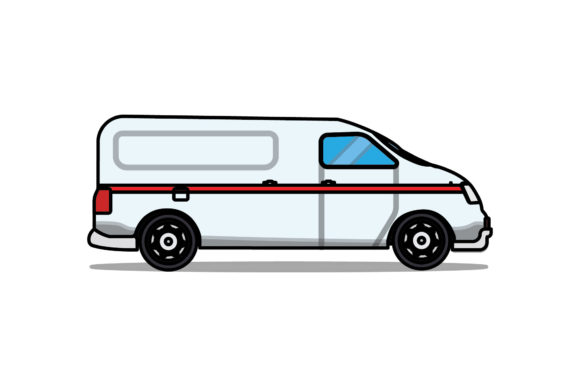
Icon Transportation Commercial Vehicle: A Versatile Graphic Design Asset for Creative Projects
As a professional graphic designer with years of experience in branding, marketing visuals, and product design, I always approach new design assets with a critical eye. When I first opened the Icon Transportation Commercial Vehicle graphics, I was immediately drawn to its bold visual language and clean yet dynamic style. This is not just another freebie — it's a well-crafted set of digital files that could easily find a place in both personal creative projects and commercial ventures.
A Strong Visual Statement for Modern Branding Needs
The Icon Transportation Commercial Vehicle design makes a strong impression right from the start. Its stylized representation of transport vehicles feels contemporary and adaptable, with sharp lines and consistent shapes that suggest a cohesive identity system. The color palette used in the default JPG version is vibrant but not overly saturated, which gives it a professional look while still allowing for customization.
This asset naturally fits into themed branding concepts — think local delivery services, eco-friendly transportation companies, or even seasonal campaigns centered around travel and movement. It has a subtle illustrative quality that can elevate the mood of a design project without overwhelming it.
Performance in Real-World Design Applications
I tested this design across multiple use cases to gauge how it would perform in real client work. In a logo mockup, the icon added a touch of personality and clarity when paired with a sans-serif font. For brand identity systems, especially those targeting small businesses or handmade brands, it helped reinforce a message of mobility, reliability, and modernity.
When applied to product labels and packaging design, the icon worked well as a supporting element. It didn’t distract from key information but instead created a sense of cohesion when repeated alongside other brand elements. On posters and flyers for local events, it served as a decorative accent that tied the theme together visually.
In social media graphics and digital ads, the icon proved useful for Pinterest pins and Instagram posts where visual interest and quick recognition are essential. It performed particularly well in hero sections of Canva templates and web banners due to its high resolution and clarity at large sizes.
Best Suited for Large Layout Areas and Hero Graphics
The 1920px x 1280px canvas size is ideal for large layout areas such as website headers, full-page posters, and product mockups. The scale allows the design to breathe, making it suitable for backgrounds or featured images where it can serve as a focal point. I found that using it as a decorative background pattern in printable wall art and editorial designs added depth and context to the overall layout.
It also shines in themed collections, campaign visuals, and packaging details. For instance, when designing promotional materials for a boutique logistics company, this icon helped create a unified visual story across merchandise, tote bags, and branded stickers.
Use with Caution in Small Sizes and Crowded Layouts
While the icon looks great at full size, I noticed some limitations when scaling it down. At smaller sizes, the intricate details begin to lose their definition, especially if the background is complex or low-contrast. This means it’s not the best fit for minimalist branding or corporate materials where simplicity and legibility are paramount.
Designers should be mindful of placing it in layouts with too many competing elements. Its stylized form might get lost in cluttered compositions unless carefully balanced with negative space and clear visual hierarchy.
Impact on Readability and Brand Consistency
Readability is one of the main concerns when integrating any design asset into a professional project. The Icon Transportation Commercial Vehicle maintains good legibility when used as an accent or supporting element, but it may not function well as standalone text or typography-centric designs. It complements rather than competes with typefaces, making it a solid choice for visual storytelling in conjunction with other brand elements.
In terms of brand consistency, the vector formats (AI, EPS, SVG) allow for easy integration into existing style guides. Whether you're tweaking colors for a seasonal campaign or adjusting line weights for a more refined look, the file formats offer flexibility without compromising quality.
Emotional Appeal and Audience Engagement
One of the strengths of this asset is its ability to evoke emotion subtly. The transportation motif suggests movement, progress, and connection — all powerful themes in marketing and content creation. As a supporting illustration in a blog post about sustainability in shipping, it enhanced the message and made the visual narrative more engaging.
Its presence in print-on-demand products like mugs and t-shirts added a layer of authenticity and purpose, especially for clients in the handmade business or niche markets. It’s the kind of graphic that invites interaction and helps build a stronger connection between the brand and its audience.
Practical Designer Notes for Professional Use
Before incorporating the Icon Transportation Commercial Vehicle into a real client project, here are some practical steps I recommend:
- Test it in black and white: The design retains its structural integrity in grayscale, which is important for ensuring visibility in printed materials or monochrome applications.
- Check contrast on light and dark backgrounds: Depending on your project, you may need to adjust the opacity or add drop shadows to ensure it stands out effectively.
- Preview at various sizes: Confirm how it looks in both micro (e.g., app icons) and macro (e.g., billboard) scales before finalizing its use.
- Place it on real mockups: Try it on product photos, mockups of websites, or Cricut project previews to see how it interacts with actual environments.
- Test print quality: Print a sample to evaluate how the colors translate physically, especially if it’s going to be used in merchandise or signage.
- Review file formats: With six digital files included, including AI, EPS, SVG, DXF, JPG, and PNG, there's ample room for adaptation. The SVG format is particularly valuable for customizing paths and layers in vector-based workflows.
- Inspect PNG transparency: If the PNG is included, check how the transparent elements interact with layered compositions in Adobe Photoshop or Illustrator.
- Compare with different fonts: Test it alongside serif, sans serif, script, handwritten, and display fonts to determine what pairing enhances the overall design direction.
- Confirm commercial licensing: Always verify the commercial license before using it for client work or selling products online through platforms like Etsy or Shopify.
Why This Freebie Could Be a Valuable Creative Asset
Despite being labeled as a freebie, the Icon Transportation Commercial Vehicle delivers a level of polish and professionalism that rivals paid design bundles. It’s a testament to how thoughtful design can support a wide range of creative needs without breaking the bank.
For designers working on a tight budget or for small business owners looking to add visual flair to their branding efforts, this asset offers excellent value. It’s versatile enough to adapt to various contexts, from digital illustrations to sublimation prints and from editorial layouts to social media campaigns.
Final Thoughts for Designers and Marketers
Overall, the Icon Transportation Commercial Vehicle is a reliable and expressive design asset that can enhance both digital and print projects. It’s particularly effective in scenarios where a modern, thematic visual is needed to communicate motion, service, or innovation. However, like any design element, it requires careful placement and formatting to maintain visual trust and recognition.
If you’re working on a creative marketplace listing, a print-on-demand product line, or even a brand identity concept for a startup, this icon could help bring your vision to life. Just remember to test it thoroughly and consider its role within the broader design ecosystem of your project.