Food and Drink Cloud Style Embroidery Design Review
As an experienced embroidery designer who regularly evaluates digital design files for real-world use, I always look for that perfect balance between creativity and practicality. The Food and Drink Cloud Style vector design caught my attention not just for its whimsical aesthetic but also for how it might perform in actual stitching scenarios. Let’s take a closer look at what this design offers, where it shines, and where you might need to tread carefully.
First Impressions: Mood and Visual Personality
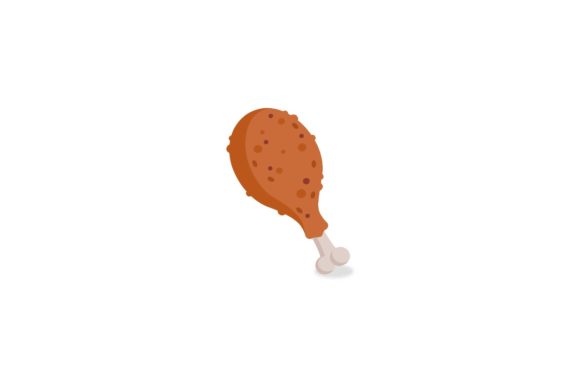
The Food and Drink Cloud Style design immediately gives off a soft, playful vibe. It features rounded edges and gentle curves that evoke the idea of clouds—light, airy, and approachable. The theme centers around food and drink items like mugs, sandwiches, fruits, and pastries, all rendered in a hand-drawn style with subtle shading and texture. This kind of visual language is ideal for creating warm, inviting products that appeal to customers looking for something cozy and familiar.
I found myself imagining it on a custom sweatshirt or tote bag for a boutique line of café-themed merchandise. The layout is well-balanced, with enough detail to feel engaging without being overwhelming. It has a certain charm that makes it feel handmade even though it’s clearly designed for machine embroidery. That blend of artisanal flair and technical precision is exactly what many crafters and small business owners are after.
Real-World Use: Where This Design Fits Best
This design works particularly well for projects that benefit from a lighthearted, decorative touch. Here are some of the best use cases based on my experience:
- Tote Bag Designs: The soft lines and thematic elements fit beautifully on cotton canvas, making them great for market bags or gift totes. Customers love the idea of carrying something cute and functional.
- Sweatshirt Embroidery: The cloud-like shapes sit nicely on thicker knits and don’t lose their definition when scaled up. A mug graphic on the front can be paired with text for a personalized touch.
- Baby Embroidery: The gentle nature of the design suits baby items such as bibs, blankets, or aprons. Parents often appreciate designs that are both adorable and easy to read at a glance.
- Holiday Embroidery: With minimal tweaking, this design could be adapted for festive themes—think snowflakes inside mugs or seasonal fruits. Its versatility makes it a good base for holiday gifts or limited-edition runs.
- Embroidered Patches: When converted into an applique-style format, the design becomes a charming addition to denim jackets, backpacks, or uniforms.
- Custom Apparel for Etsy Sellers: The design feels fresh and modern, which aligns with current trends in casual wear and lifestyle branding. It’s especially useful for small shop product lines that aim for a unified visual identity.
Visual Appeal and Branding Potential
One of the standout qualities of Food and Drink Cloud Style is its ability to enhance the perceived value of a finished product. Whether used as a standalone graphic or combined with other elements, it adds a sense of whimsy and quality that appeals to a broad audience. As a brand asset, it helps maintain consistency across multiple items—especially if you’re selling tea towels, aprons, and pillow covers under the same theme.
Customers tend to gravitate toward embroidered designs that feel intentional and high-quality. This one checks those boxes, and it's easy to see how it could become a signature element in your craft business or Etsy shop. Its recognizable shape and color palette (if available) help boost buyer engagement and make your products more memorable.
Design Considerations for Stitching Clarity
While the design looks great on screen, translating it into a stitched form requires careful planning. Here are some practical insights based on testing similar styles:
- Thread Color Contrast: The muted tones work well on light fabrics, but if you're using dark backgrounds, consider adjusting thread colors for better visibility. Dark fabric can mute the effect of softer hues.
- Stitch Density: Some areas, especially the shaded parts of the food items, may require denser stitch coverage to avoid gaps or distortion. You’ll want to review each section before finalizing the file.
- Hoop Size: The overall size of the design isn’t specified, so be sure to check compatibility with your machine’s hoop options. Larger pieces will need bigger hoops, while smaller details can get lost if stretched too far.
- Fabric Texture: On smooth cotton or linen, the design stitches cleanly and evenly. However, on textured or stretchy materials, the outcome might vary. Always test first.
- Small Details: The intricate shading and fine lines add character, but they can pose challenges on delicate fabrics or curved surfaces like caps and hats. These areas may need extra stabilizer to hold the design intact.
When to Use with Caution
Not every project is the right home for this design. Based on my evaluations, here are a few situations where you should proceed carefully:
- Small Hoop Sizes: If you plan to embroider this on tiny patches or jewelry tags, the design might become cluttered or lose clarity. Consider simplifying the elements or resizing selectively.
- Stretchy or Thin Fabrics: Delicate linens or spandex blends can distort under the weight of dense embroidery. For these, opt for simpler stitch types like running stitch instead of fill stitch.
- Detailed Corners and Tiny Lettering: If the design includes any hidden lettering or intricate corners, inspect closely. These areas can break during washing or handling if not properly reinforced.
- Curved Surfaces: Caps and curved garment areas can cause stitch alignment issues. Make sure to adjust the design accordingly or limit it to flat sections only.
- Products That Need Frequent Washing: Dense stitch areas can pill over time, especially if using cotton threads on synthetic blends. Be mindful of durability for items like baby clothes or kitchen towels.
Designer Notes: Practical Tips for Use
Before committing to a full production run or client project, here are some steps I recommend taking with Food and Drink Cloud Style:
- Test on Scrap Fabric: Try a sample on a similar material to the intended end-use fabric. Observe how the design holds up after a couple of washes or dryings.
- Review Thread Colors: If you’re working with a multicolored design, ensure that each shade is clearly defined and that there's no risk of bleeding or fading.
- Check Stitch Types: Look for sections that use satin stitch versus fill stitch. Adjust as needed depending on the thickness and type of fabric you're using.
- Confirm Licensing: Since this is part of the Freebies category, double-check whether the Graphics file allows commercial use. You don’t want to unknowingly infringe on usage rights.
- Use Proper Stabilizer: Especially for thin or stretchy fabrics, a tear-away or cut-away stabilizer can prevent puckering and distortion.
- Try Black and White Mockups: See how the design reads without color. This helps determine if the contrast is strong enough for different applications.
- Inspect for Giftability: If you're creating personalized gifts, ensure that the design doesn’t overpower the message or name added alongside it. Balance is key.
Final Thoughts: A Design with Heart
In conclusion, Food and Drink Cloud Style is a thoughtful and versatile machine embroidery design that brings a touch of warmth and charm to a variety of handmade and commercial products. It’s not the most complex design out there, but it hits all the right notes for a friendly, approachable aesthetic that resonates with buyers.
For craft business owners, Etsy sellers, and small shop product creators, this design can serve as a foundational element in building a cohesive collection of embroidered goods. Just remember to adapt it thoughtfully based on the fabric, application method, and target audience.
Whether you're preparing a custom apparel order, designing a handmade product, or creating a set of digital embroidery files for resale, let Food and Drink Cloud Style inspire you—but always test, tweak, and tailor it to suit your specific needs.